 FACULTY OF EXACT AND NATURAL SCIENCES
 FACULTY OF HUMANITIES
 FACULTY OF SOCIAL AND POLITICAL SCIENCES
 FACULTY OF PSYCHOLOGY AND EDUCATIONAL SCIENCES
 FACULTY OF ECONOMICS AND BUSINESS
 FACULTY OF MEDICINE
 FACULTY OF LAW




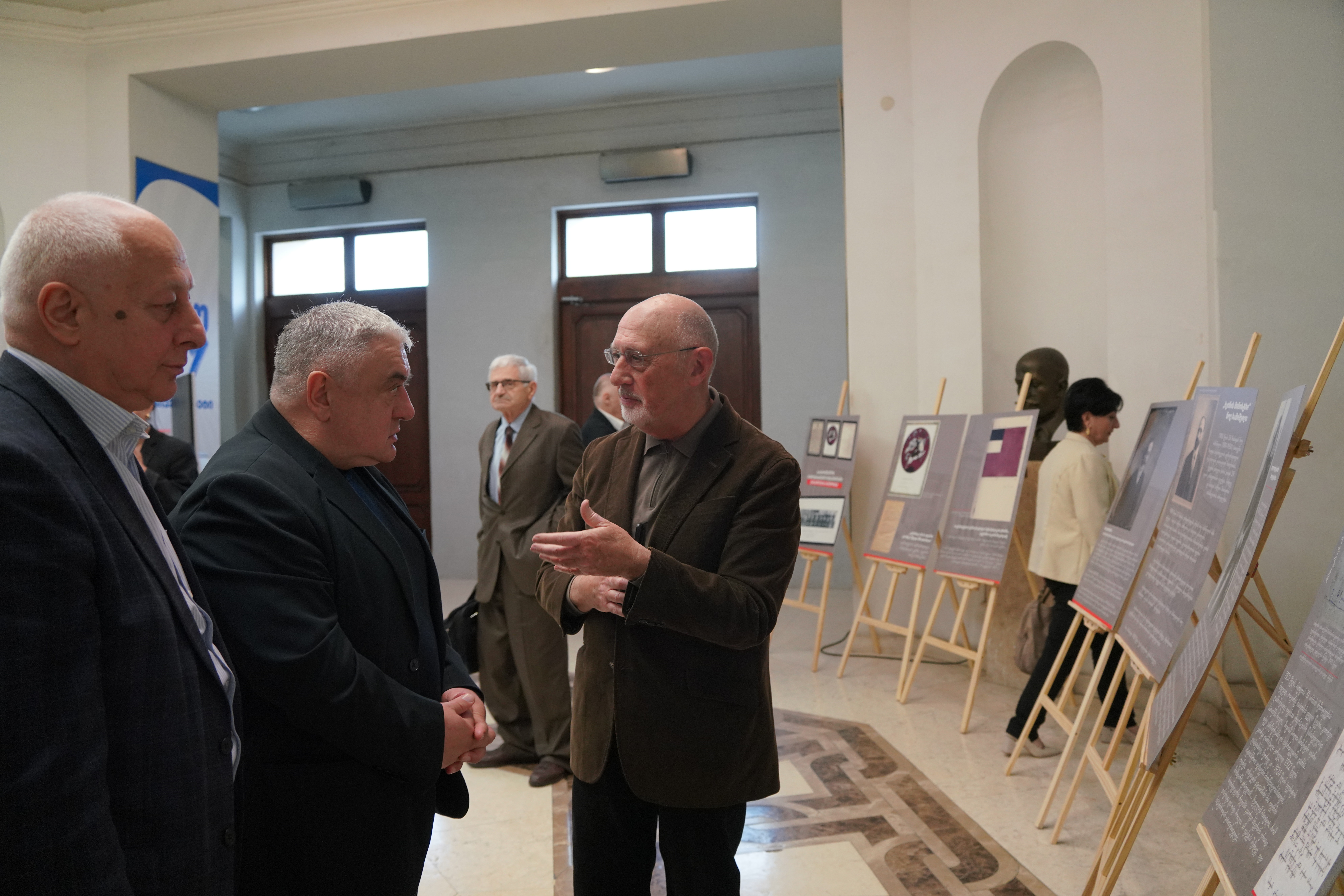
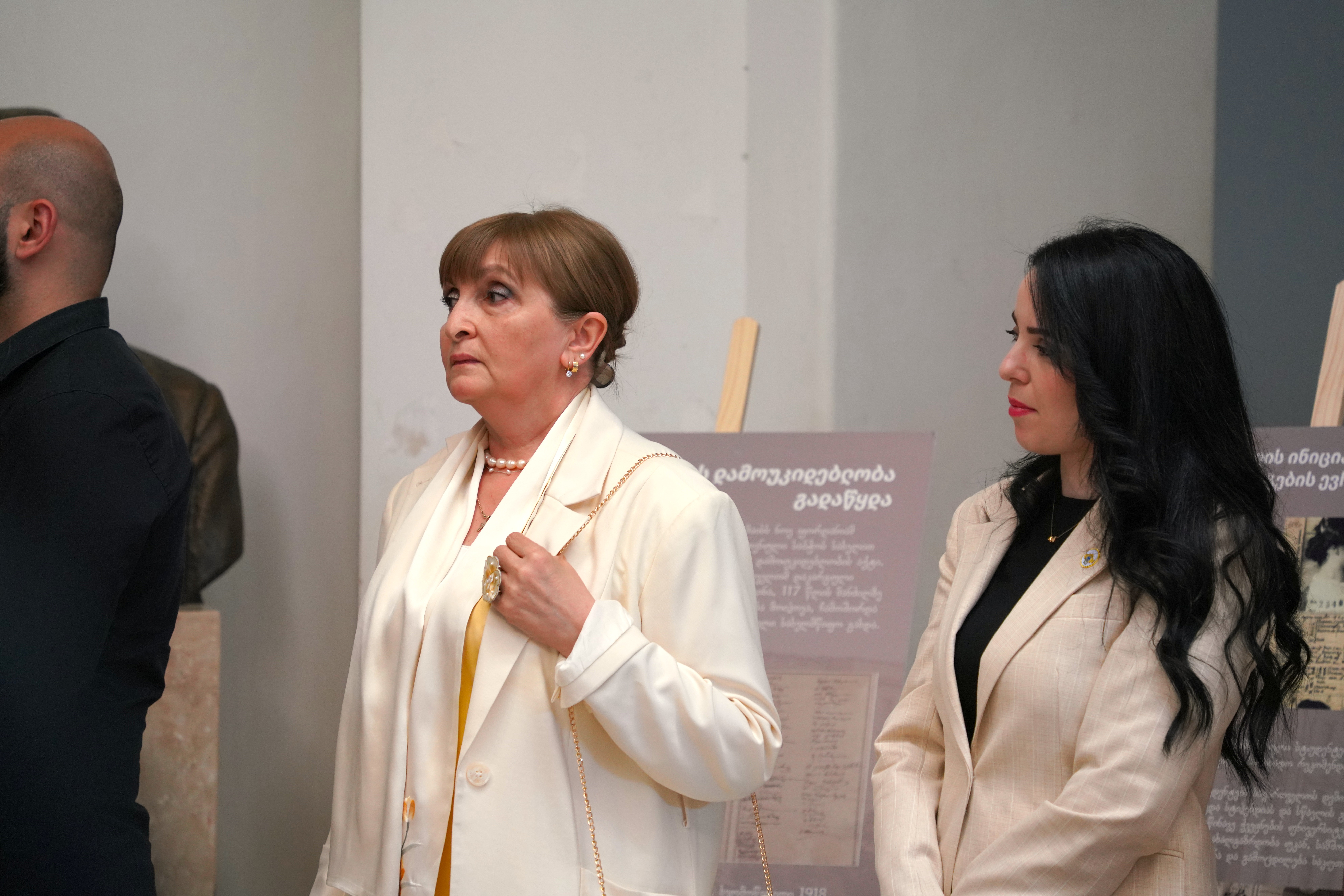
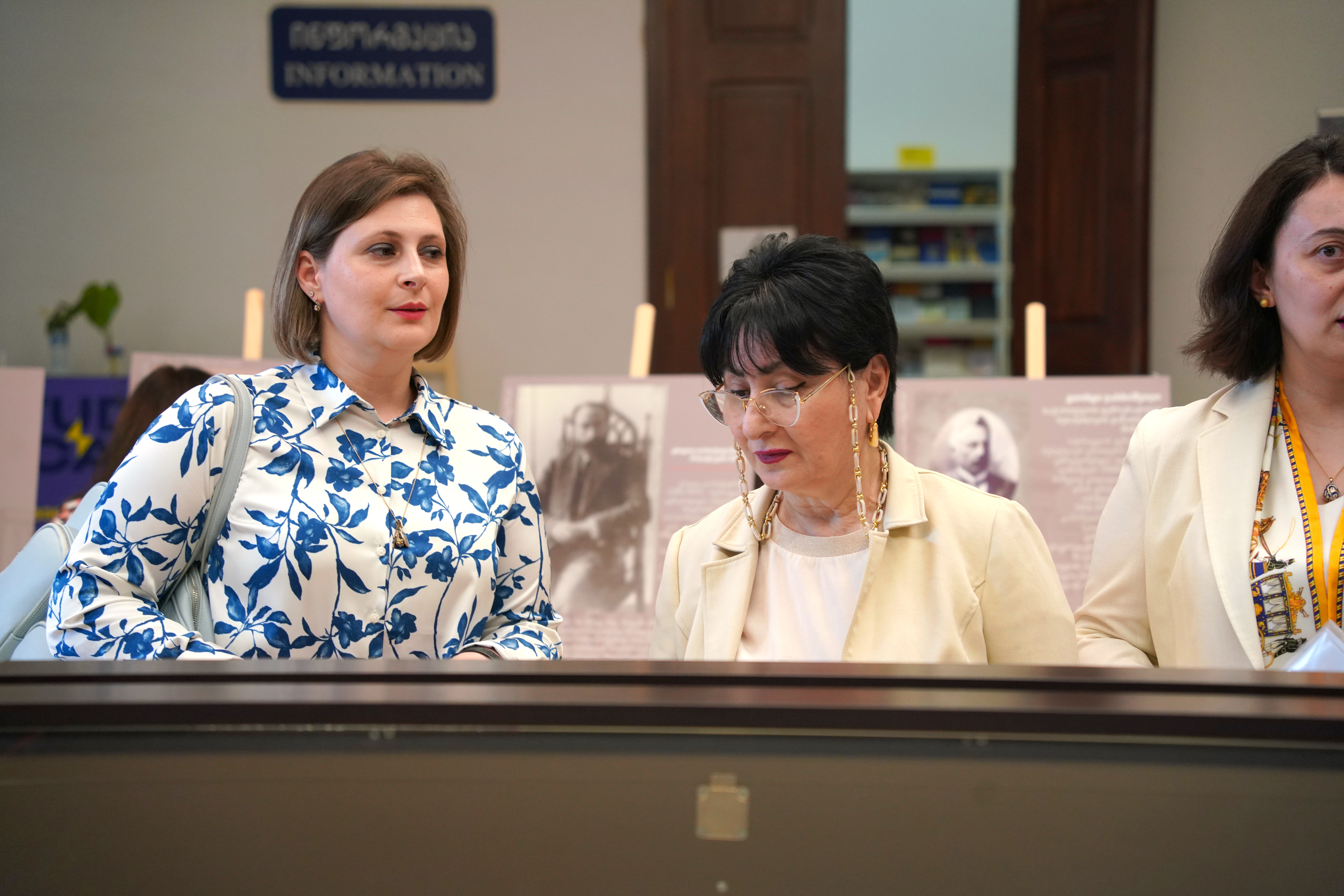
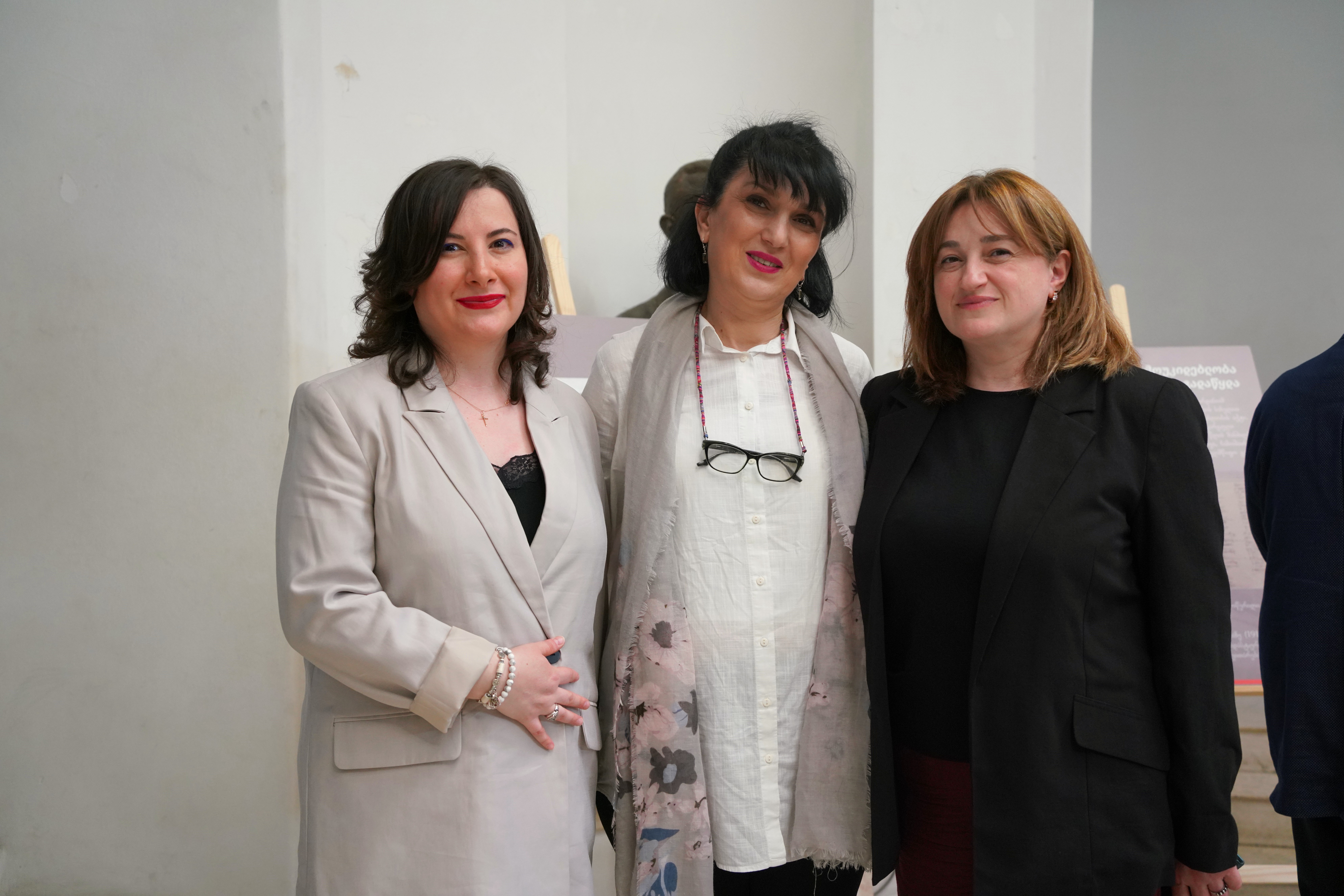
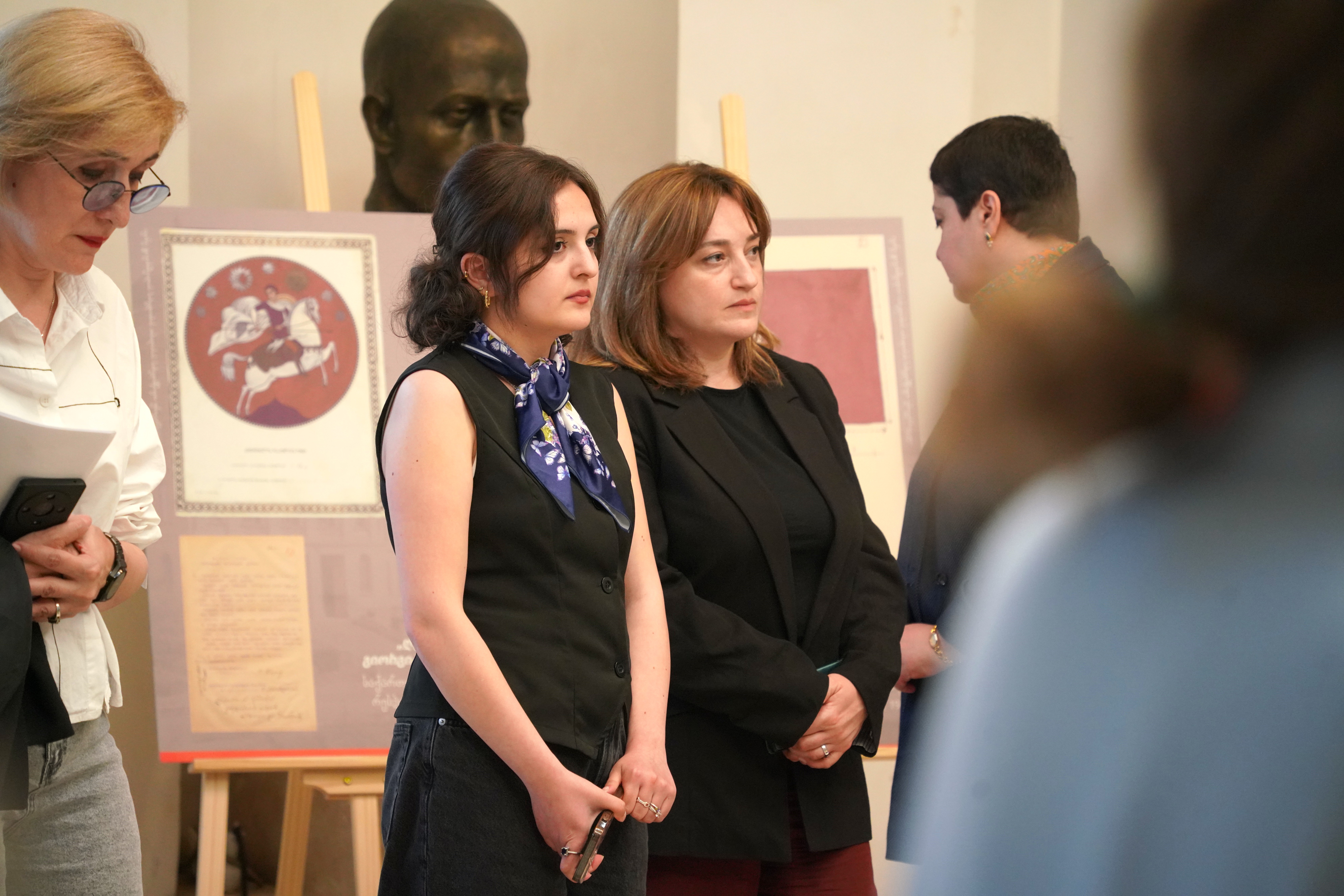
ივანე ჯავახიშვილის სახელობის თბილისის სახელმწიფო უნივერსიტეტში საქართველოს დამოუკიდებლობის დღესთან დაკავშირებით გაიმართა გამოფენა „განათლების ისტორია საქართველოს დემოკრატიულ რესპუბლიკაში“, რომელსაც უნივერსიტეტის რექტორი, აკადემიკოსი ჯაბა სამუშია, რექტორის მოადგილე კახაბერ ჭეიშვილი, პროფესიული განათლების ცენტრის ხელმძღვანელის მოადგილე ინეზა ვაწაძე, სტუდენტები, პროფესორები დაესწრნენ.
გამოფენა „განათლების ისტორია საქართველოს დემოკრატიულ რესპუბლიკაში“ თსუ პროფესიული განათლების ცენტრის მიერ საქართველოს ეროვნულ არქივთან თანამშრომლობით მომზადდა. ექსპოზიციაზე წარმოდგენილი იყო მასალები საქართველოს დემოკრატიულ რესპუბლიკაში განხორციელებულ რეფორმებზე, მათ შორის, უნივერსიტეტის ისტორიასა და პროფესიული სწავლების მიმართულებით.
„გამოფენა კიდევ ერთხელ ადასტურებს და წარმოაჩენს იმ წარმატებულ რეფორმებს, რომლებიც პირველი დემოკრატიული რესპუბლიკის დროს განხორციელდა. ძალიან საინტერესო პერიოდი იყო - ხელისუფლების წარმომადგენლები მთელი თავიანთი შეგნებით იყვნენ ჩართულნი მთავარ საქმეში; ამიტომაც მაშინ მთელი ქვეყნის მასშტაბით განათლების სისტემაში ყველა მიმართულებით შემოვიდა ევროპული ღირებულებები,“- განაცხადა თსუ რექტორმა, აკადემიკოსმა ჯაბა სამუშიამ.
გამოფენაზე წარმოდგენილი ფოტო და დოკუმენტური მასალა აღწერს პირველი დემოკრატიული რესპუბლიკის პერიოდში განათლების სფეროში განხორციელებულ მნიშვნელოვან ცვლილებებს და სიახლეებს, პროფესიული განათლების განვითარებისთვის გადადგმულ ნაბიჯებს.
108 წლის წინ, 1918 წლის 26 მაისს საქართველომ გამოაცხადა დამოუკიდებლობა და ოფიციალურად შეიქმნა საქართველოს დემოკრატიული რესპუბლიკა. საქართველოს დამოუკიდებლობის გამოცხადებას წინ უძღვოდა ამიერკავკასიაში პირველი ეროვნული უნივერსიტეტის გახსნა, საგანმანათლებლო კერის შექმნა ქვეყნის თავისუფლების წინაპირობად იქცა.
საქართველოს დემოკრატიული რესპუბლიკა უაღრესად რთულ პოლიტიკურ ვითარებაში ჩამოყალიბდა. მიუხედავად მძიმე საშინაო და საგარეო გამოწვევებისა, ახალგაზრდა სახელმწიფომ არაერთი მნიშვნელოვანი რეფორმის განხორციელება მოახერხა, მათ შორის საგანმანათლებლო მიმართულებით.
განათლების პოლიტიკას საქართველოს დემოკრატიულ რესპუბლიკაში სახალხო განათლების სამინისტრო წარმართავდა, რომელიც სამი სტრუქტურული ერთეულისაგან შედგებოდა: 1. უმაღლესი და საშუალო სკოლების გამგეობა; 2. სახალხო სკოლების გამგეობა და 3. საპროფესიო და სატეხნიკო ე.წ. პროფესიული სკოლების გამგეობა.
სამინისტროს მთავარი ამოცანა ახალი სკოლების გახსნა და სკოლის გაეროვნულება, მასწავლებელთა მომზადება-გადამზადება, კვალიფიკაციის ამაღლების მიზნით ახალგაზრდების საზღვარგარეთ გაგზავნა და კვალიფიციური კადრების მომზადება იყო. სამინისტრო მნიშვნელოვან ყურადღებას უთმობდა პროფესიულ განათლებას. დამოუკიდებლობის გამოცხადებიდან რამდენიმე თვეში სახალხო განათლების მინისტრის ხელმძღვანელობით სპეციალური კომისია შეიქმნა, სადაც პროფესიული განათლების მიმართულებით გასატარებელ რეფორმებზე იმსჯელეს.
საბჭოს წინაშე მოხსენებით წარსდგა ალექსანდრე მდივანი, რომელმაც პროფესიული განათლებისა და საჭირო კადრების არსებობის საკითხის შესახებ მძიმე მდგომარეობას გაუსვა ხაზი. იგი აუცილებლად მიიჩნევდა ზომების გატარებას. კერძოდ, ამ მიზნით, უცხოეთში განათლების მისაღებად მთავრობის მხრიდან თანხების გაღებას. იმედს გამოთქვამდა, რომ ახლჩამოყალიბებული ერობები და თვითმმართველობებიც იზრუნებდნენ პროფესიული განათლების გასაძლიერებლად.
.JPG)
.JPG)
.JPG)
.JPG)
.JPG)
.JPG)
.JPG)
.JPG)
.JPG)
.JPG)
.JPG)
.JPG)
.JPG)
.JPG)
.JPG)
.JPG)
.JPG)
.JPG)